Why your YouTube subscriptions feel like obligations (and how to fix it)
You didn't subscribe to feel behind
Think about why you subscribed to each channel you follow. There was a reason every time. A creator whose business breakdowns you trust. An analyst who explains markets in a way that actually makes sense. Someone covering AI tools who always seems to know about things before you do. A gaming channel that goes deeper on lore and mechanics than anyone else.
None of those were passive decisions. You chose those channels because they produce something you genuinely want. The intent was good. So why does opening YouTube now feel like walking into a room full of unread emails?
The answer is that subscriptions don't stay neutral. The moment a channel uploads something new, that video quietly joins a queue of things you told yourself you'd get to. One video is fine. Five is manageable. Twenty is a backlog. Forty is a source of low-level anxiety that lives somewhere in the back of your mind — the tab you keep open but never visit, the playlist that silently grows while you're doing other things.
You didn't subscribe to feel behind. But that's what happened.
The obligation isn't imaginary
There's a version of this feeling that gets dismissed as a productivity problem — just watch fewer things, be more disciplined, stop subscribing to so much. That advice misses what's actually going on.
The anxiety isn't irrational. It's a reasonable response to a real mismatch. You follow channels because staying current in your niche matters to you. If you follow AI tools, missing a week of coverage means walking into conversations without context everyone else has. If you follow finance creators, the commentary from last week is already stale. If you follow someone whose business thinking you trust, their new video might contain something directly useful to a decision you're making right now. The stakes are real. The obligation feeling is proportional to that.
The problem isn't that you follow too many channels. The problem is that each upload arrives with a small attached weight — I should watch this, I'll get to it tonight, this one looks important — and those weights accumulate faster than any reasonable person can clear them. You can't watch your way out of it. The queue refills faster than you can empty it. And the more you care about the topics, the heavier the pile feels.
Watching at 2x speed doesn't fix this. It trades 40 minutes for 20, which is better, but it doesn't change the fundamental dynamic. YouTube's own summary feature — the chapter list it generates from the auto-transcript — tells you what timestamps exist in a video, not what the video actually argues or whether any of it is worth your time. And unsubscribing from things you actually want to follow isn't a solution, it's a concession.
Something has to change format, not pace.
What the obligation is really protecting
Here's the thing: the obligation feeling isn't entirely bad. It exists because you made a genuine decision that this content matters. The problem is that it has nowhere to go. There's no way to honour that decision without surrendering 35 minutes per video — and most of the time, you don't have 35 minutes, or if you do, you're not sure the video is worth them until you've already watched it.
What you actually want to know, before you commit to watching anything, is: did this video contain something I needed to hear? Did the argument move anywhere interesting? Is there something actionable in here, or is it largely things I already know? Is the full video worth my time, or did the summary just give me everything I needed?
If you could answer those questions in 30 seconds, the obligation would dissolve. You'd either watch the video on purpose, knowing it's worth it — or you'd move on without guilt, because you already got what you came for.
That's the actual fix. Not discipline. Not watching faster. Just getting the information without the format tax.
What that looks like in practice
Here's a real example. The Koerner Office posted a 35-minute video on what he calls the most profitable solo business most people have never heard of. The kind of video that gets added to Watch Later by founders, side-hustle followers, and knowledge workers — and then sits there for two weeks while the queue grows around it.
This is what summree produces the moment that video goes live:
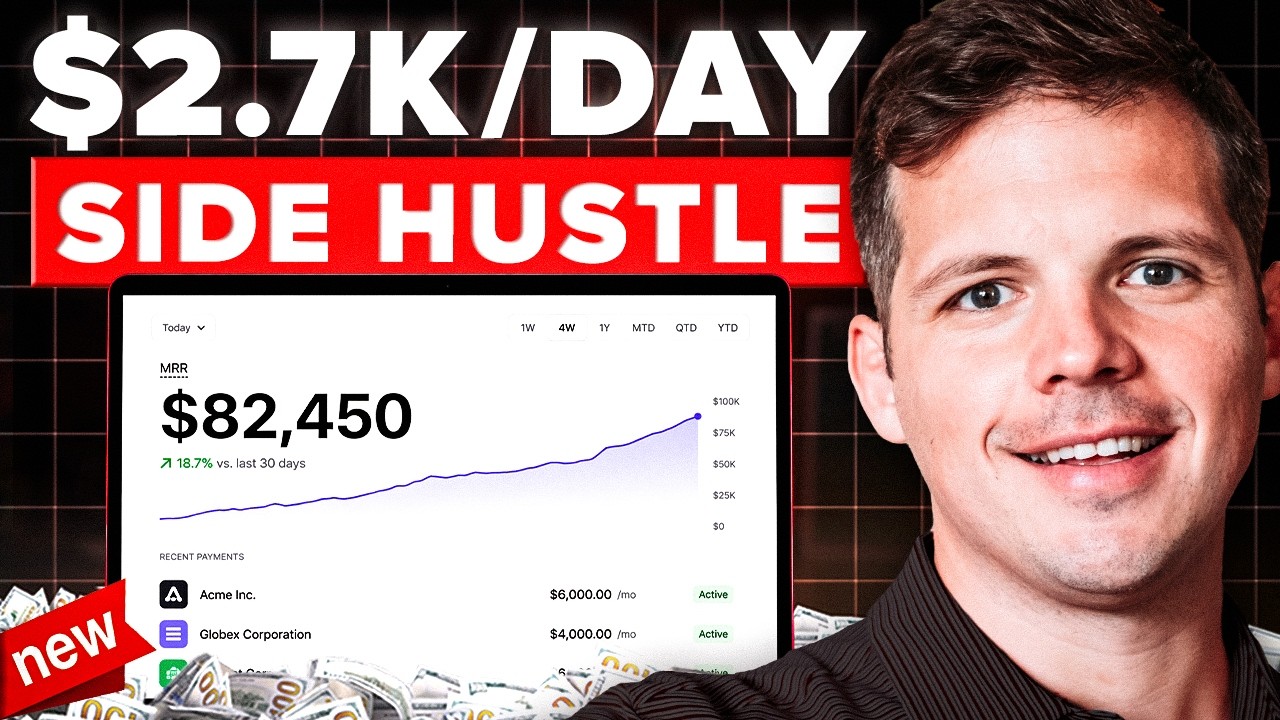
Read that in 30 seconds. You now know whether the video is worth 35 minutes of your time. If it is, watch it — you'll know exactly what you're walking into. If it isn't, close it and move on. Either way, the obligation is gone.
summree monitors your channels automatically, checking every 15 minutes around the clock. The moment a new video goes live, the full transcript goes to Claude — not the title or description, the actual transcript — and a structured summary lands in your inbox within minutes. You can read more about exactly how it works here.
The channels you follow should feel like sources, not homework
That's what happens for every channel you follow, every time they upload, automatically — without you having to remember to check, open the app, or feel behind.
The goal isn't to consume more. It's to stop carrying the weight of knowing you should be consuming. When the monitoring job gets delegated — when something else is watching the channels and will tell you what mattered — the subscriptions go back to feeling like what they were supposed to be. Sources. Things you chose to follow because they produce something worth knowing about.
You still watch videos. Just fewer of them, and all of them on purpose.
The Watch Later list stops being a source of anxiety and starts being optional. Because by the time you'd normally open it, you've already been told what's in there.
Frequently asked questions
Why do YouTube subscriptions feel like obligations?
Because each new upload arrives with an implicit promise you made to yourself — that you'd watch it. When uploads come faster than you can watch them, those promises stack into a backlog that creates low-level anxiety. The feeling is proportional to how much you actually care about the content.
Does watching at 2x speed fix YouTube backlog anxiety?
Not really. It reduces the time cost but doesn't change the structural problem: you still have to press play, and the queue refills faster than you can empty it. The underlying issue is format, not pace.
Is it worth unsubscribing from YouTube channels to reduce overwhelm?
Only if you genuinely don't want to follow them. Unsubscribing from channels you actually care about isn't solving the problem — it's giving up on staying informed. The better fix is changing how you consume what those channels produce.
What's the best way to keep up with YouTube channels without watching every video?
Get the summary delivered to you the moment each video drops. Read it in 30 seconds, decide if the full video is worth your time, and move on. That's what summree does — monitors your channels automatically and sends a structured summary to your inbox every time something new goes live.
How is summree different from just reading YouTube video descriptions?
Video descriptions are written by the creator to promote the video, not to tell you whether it's worth watching. summree generates a summary from the full transcript — what was actually said — including key points, actionable insights, notable quotes, and a straight verdict on whether the full video earns your time.
summree monitors your YouTube channels and delivers a structured summary the moment each video drops. Read in 30 seconds. Decide if it's worth your time.
Try summree free →