
← Technology
Adam Savage’s Tested
The Most Expensive Part of a TIE Fighter
⏱ 15 min video · 2 min read9 Jun 2026Worth watching
TL;DR
At WonderFest 2026, Norm from Tested interviews two master model builders — Jonathan Frakes and Kevin — about their studio-scale Star Wars replicas displayed in a recreation of the original Van Nuys ILM model shop. The centerpiece discussion is Jonathan's near-perfect TIE fighter replica, where the single most expensive and irreplaceable component is vintage 1970s Cool Shade brass louver window material, now extremely rare and costly.
Key points
1
The TIE fighter wings are made from original 1970s Cool Shade — a brass louver window treatment product used by ILM — requiring 3-4 square feet per build; modern Cool Shade has different louver spacing (19 per inch) making vintage stock essential and now very expensive
2
Jonathan built the TIE fighter cockpit ball from a 5.25-inch acrylic sphere with all panel lines hand-scribed, and vacuum-formed styrene panels layered before adding model kit greeblies
3
Each wing contains a 0.015-inch stainless steel sheet as a structural core sandwiched between the Cool Shade layers, making the model heavier than the originals but perfectly rigid
4
Jonathan intentionally replicates the original models' inaccuracies and asymmetries but draws the line at casting bubbles, which he omits from his versions
5
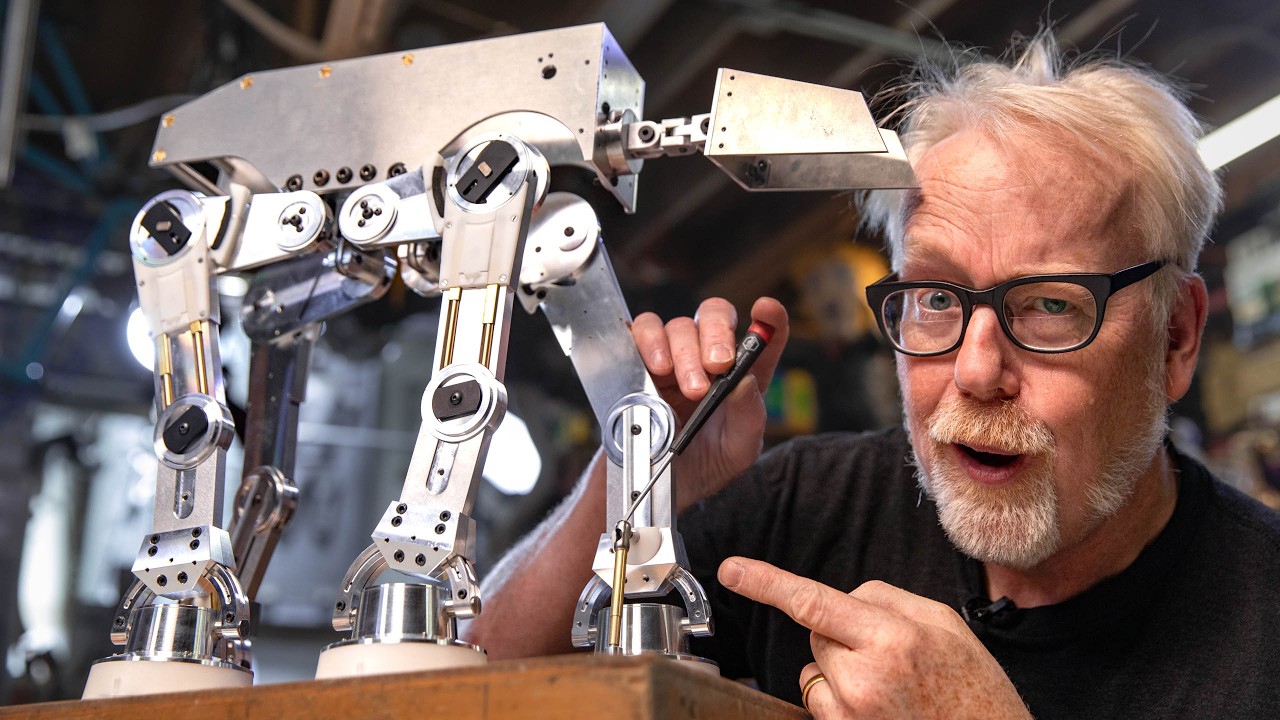
Kevin built a studio-scale Y-wing replica based on a pyro model that was later redressed for Return of the Jedi, using community-sourced parts and a single washed-out reference page from Chronicles; individual Y-wings are distinguished by head patterns and nicknamed (e.g. Triangles, Tiger Sprocket, Red Jammer)
Key takeaways
→
For studio-scale TIE fighter builds, source vintage pre-1980s Cool Shade brass louver material early — modern versions have different louver density and are not accurate substitutes
→
Vacuum-forming multiple copies of panels over the hero ball before scribing allows non-destructive testing of greeblie placement, reducing costly mistakes on the master
→
Using a stainless steel core sheet inside wing assemblies prevents warping and allows the model to be displayed standing on its wings without structural support
Notable quotes
“I tried to copy all the errors that they did onto mine. The only thing I don't do is I try to cast them without bubbles where the real ones have a lot of bubbles.”
“I already dropped one down the stairs once and that was enough for me.”
“It started as just the table. Hey, let us do the room. And so it ended up being this whole group effort of just finding everything that is so close to what they had.”
Worth watching?
✅
Worth watching the full video?
Watch if you are into prop replica building or Star Wars model history — seeing the actual Cool Shade wings and hearing the technical detail firsthand is genuinely impressive, though the key facts are all captured here.
Saved you some time? The creator still deserves a like.


Want this for your own channels?
Add the channels you follow. Every new video summarised and in your inbox the moment it drops. From £4/month.
Try it free